
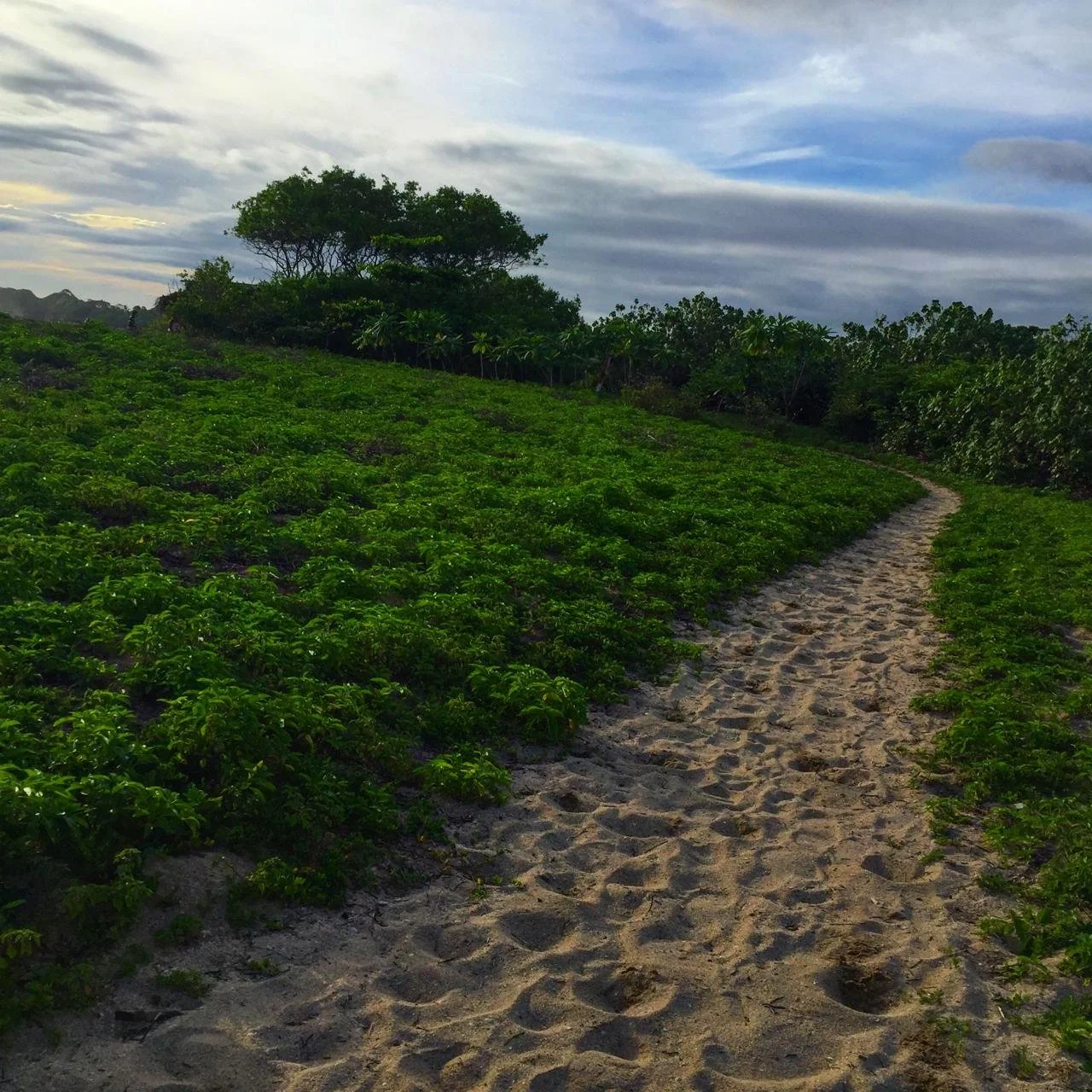
Planning a trip to Nosara during rainy season and not sure what to expect?
The biggest misconception is that it rains all day, every day for months straight. That’s usually not what rainy season here feels like at all. In Costa Rica, rainy season is also commonly called “green season” — and once you see how lush everything becomes, the name makes sense.
Rainy season in Nosara is often greener, cooler, calmer, and more comfortable than people expect — especially in the earlier months. But it also depends heavily on when you visit, what kind of trip you want, and how flexible you are.
Here’s the honest version of what rainy season in Nosara is actually like, including the good parts, the annoying parts, and who tends to enjoy it most.
First: When Is Rainy Season in Nosara?
Generally speaking:
May–June: Green season begins. Everything starts turning lush again, but many days are still sunny and very travel-friendly.
July–August: Rain becomes more regular, often in the afternoons or evenings.
September–October: The rainiest months of the year. Expect frequent rain and fewer tourists.
November: Transitional month. Early November can still be extremely rainy, but conditions usually start improving by mid-month.
One important thing to understand: rainy season changes a lot throughout the year. May and October do not feel remotely the same.
Does It Rain All Day?
Usually, no.
That surprises a lot of visitors.
Especially earlier in the rainy season, it’s common to have sunny mornings followed by afternoon or evening rain. There may be several days in a row with no rain at all. Other times, you might get a few rainy days in a row.
September and October are the months most likely to have longer stretches of heavy rain, but even then, it’s not necessarily constant gray skies all day like people often imagine.
Rainy season in Nosara feels much more tropical than gloomy.
What Rainy Season Actually Feels Like
Many people end up loving the atmosphere.
Everything becomes:
greener
cooler
calmer
less dusty
more alive
The jungle looks incredible during this time of year, and waterfalls are at their best between roughly June and August after the rains return.
If waterfalls are on your list, here’s our full guide to the best waterfalls near Nosara — including what they’re actually like, how difficult they are, and the best time to visit.
Dry season has its advantages, but by the end of the driest months (especially February through April), the landscape can feel very dry and dusty. Rainy season completely changes the feel of the area.
And surprisingly, some of the best sunsets happen after storms clear out in the evening.
Sometimes the sunset disappears behind clouds — but other times the sky explodes into color right after the rain stops.
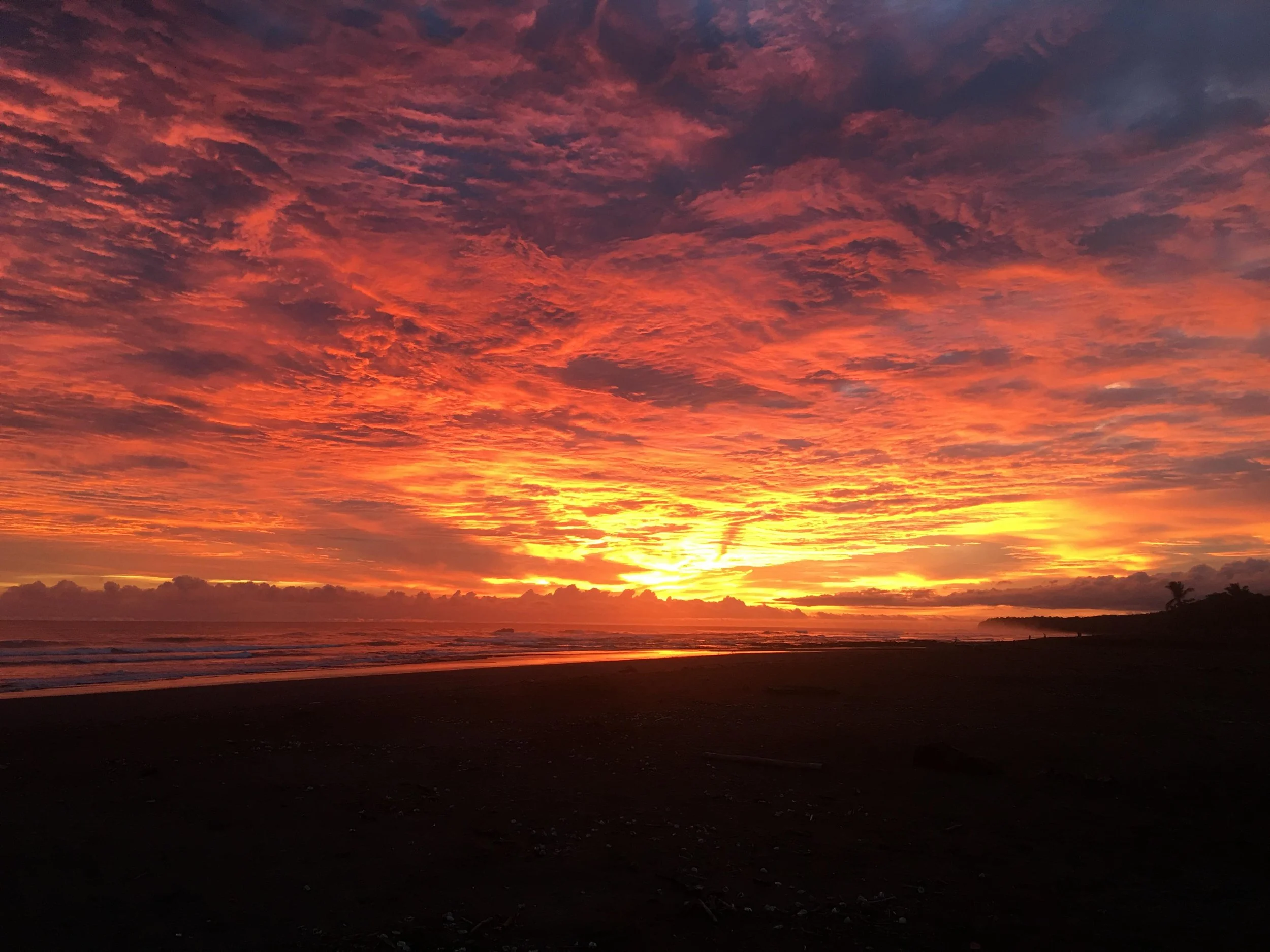
This is a rainy season sunset :)
The Best Parts of Visiting During Rainy Season
Fewer Tourists
Nosara feels noticeably calmer during green season, especially September and October.
Restaurants are less crowded, beaches feel quieter, and it’s often easier to book accommodations, surf lessons, restaurants, and activities without planning everything far in advance.
Lower Prices
Depending on the property and time of year, you can often find significantly better rates during rainy season compared to peak dry season. You can also usually find cheaper flights.
If you’re budgeting your trip, we also broke down what a Nosara vacation actually costs — including accommodations, transportation, food, and activities.
The Jungle Is Beautiful
If you love nature, this is arguably the prettiest time of year.
Everything turns intensely green, rivers flow again, and the entire area feels more tropical and alive.
Waterfalls Are Better
This is a big one.
Some waterfalls near Nosara are barely flowing during the driest months of the year. Once rainy season returns, they become much more impressive.
If waterfalls are high on your priority list, June through August can actually be one of the best times to visit.
The Downsides to Know About
Rainy season is still rainy season. There are definitely tradeoffs.
Outdoor Activities Can Be Less Predictable
If your dream trip involves:
constant beach days
lots of surfing
ATV adventures
horseback riding
ziplining
packed outdoor schedules
…then September or October may not be ideal for you.
You can absolutely still do activities during rainy season, but flexibility becomes more important. ATV tours still run during rainy season and can actually be a really fun way to explore when everything is green — just expect a little more mud.
If you’re planning activities during green season, here’s our full guide to what to do in Nosara — including waterfalls, surf lessons, nature experiences, and rainy-season-friendly ideas.
Mud Is Real
Especially if you’re walking everywhere.
Flip flops can get slippery and muddy fast during heavier rain periods. Waterproof sandals like Tevas or Chacos tend to work much better.
Some Roads Get Rough
The main paved road through Nosara is generally fine, but side roads vary a lot depending on recent repairs and rainfall.
The road between Garza and Sámara can develop major potholes during rainy season, and some back roads around Coyol or Ostional may flood occasionally during heavier storms.
That said, most visitors staying around Guiones and Pelada usually manage perfectly fine.
Do You Need a 4x4?
Usually, no.
Most visitors do not need a 4x4 vehicle unless:
your Airbnb specifically recommends one
you’re staying somewhere with a steep or rough entrance
you plan to explore more remote mountain areas
For typical beach-area trips, many travelers do perfectly fine without one. Where you stay in Nosara makes a huge difference during rainy season, especially when it comes to road conditions and walkability.
If you’re still deciding between renting a car, ATV, or golf cart during rainy season, this guide breaks down what actually makes sense depending on where you’re staying and how much exploring you plan to do.
Can You Still Surf During Rainy Season?
Yes.
Guiones is surfable year-round, which is one reason Nosara remains popular throughout the year.
Ocean conditions can vary depending on weather patterns, but surfing definitely does not stop during rainy season.
Do Restaurants and Businesses Close?
Mostly, no.
Some restaurants or businesses may close briefly during the slowest weeks of September, but this is becoming less common than it used to be.
Overall, Nosara stays active year-round.
What to Pack for Rainy Season in Nosara
A few things people are often glad they brought:
Lightweight rain jacket or poncho
Portable umbrella
Bug spray
Waterproof sandals
Dry bag for tours or beach days
Waterproof phone pouch (optional but useful for taking pictures during outdoor tours)
If you’re doing ATV tours, waterfall trips, boat tours, or other outdoor activities, a dry bag is especially worth having.
Who Usually Enjoys Rainy Season Most?
Rainy season tends to work best for travelers who:
like flexibility
enjoy nature
don’t mind occasional rain
prefer calmer atmospheres
want greener scenery
don’t need every day perfectly planned
It can be an especially beautiful time to visit if your goal is to slow down and enjoy the atmosphere rather than maximize nonstop activities.
Who Might Prefer Dry Season Instead?
You may prefer dry season if:
you’re planning a short trip and want maximum sunshine
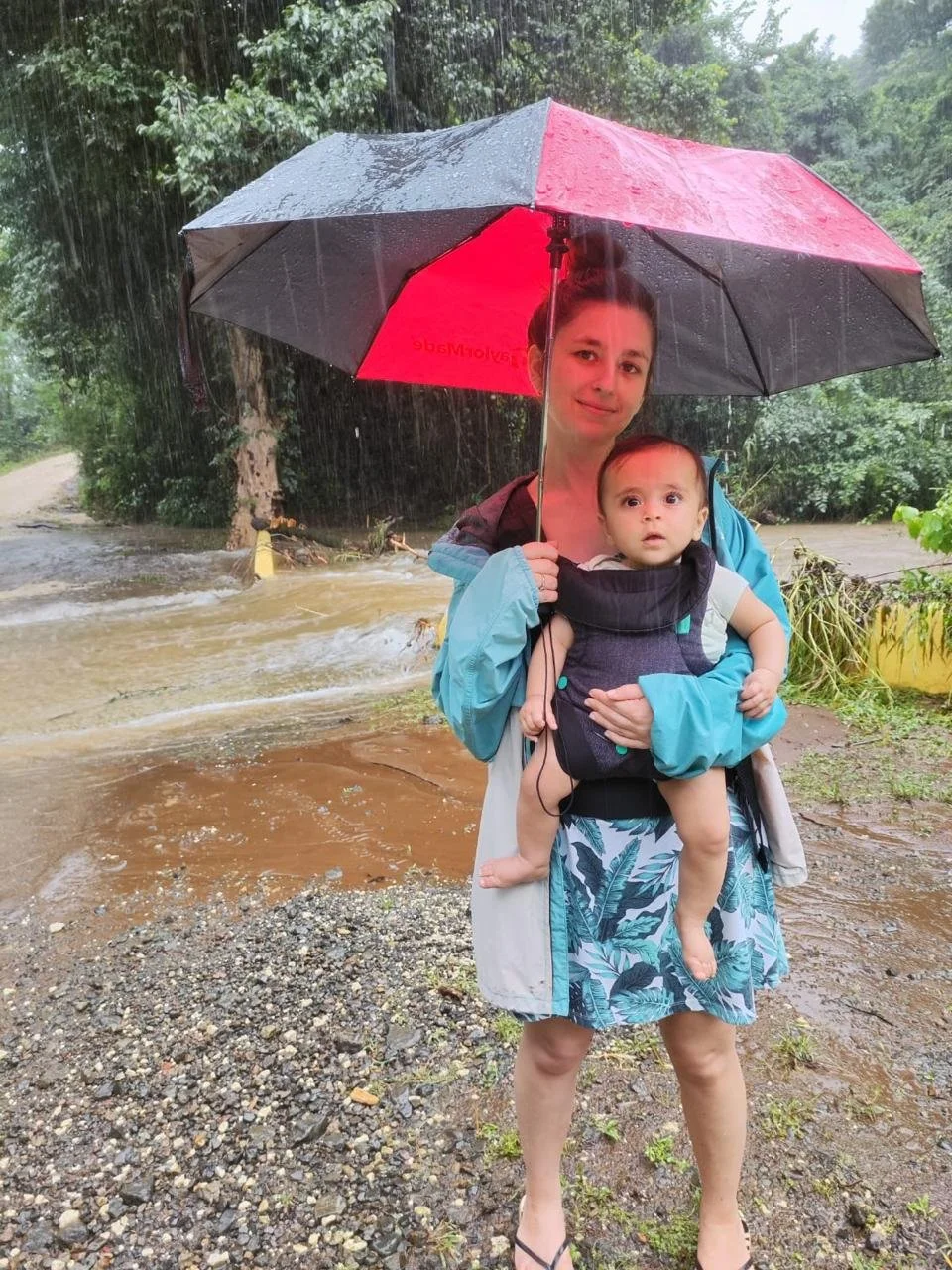
you’re traveling with babies or young kids without a rental car. (If you’re visiting as a family, we also put together a full guide to what Nosara is actually like with kids — including beaches, restaurants, transportation, and practical tips.)
you want highly predictable weather
your trip revolves around outdoor tours and activities every day
Dry season simply makes logistics easier for some types of travelers.
You may also prefer dry season if you’re hoping for a busier social atmosphere.
Nosara is never really a nightlife destination in the traditional sense, but during peak season (especially December and January), the town feels much more active socially. Restaurants, bars, surf spots, and events are busier, and there are simply more travelers around.
During rainy season — especially September and October — Nosara feels much quieter and sleepier at night.
Still figuring out the bigger picture of your trip? We also put together a step-by-step guide to planning a trip to Nosara — including where to stay, transportation, budgeting, and when to visit.
Final Thoughts
Rainy season in Nosara is not automatically “better” or “worse” than dry season — it’s just different.
For some travelers, the green season ends up being their favorite time of year here. The town feels calmer, the jungle is beautiful, and the entire area feels fresher and more alive.
For others, especially travelers wanting nonstop sunshine and tightly packed itineraries, dry season may be a better fit.
The biggest thing is simply knowing what kind of trip you want — and planning expectations accordingly.